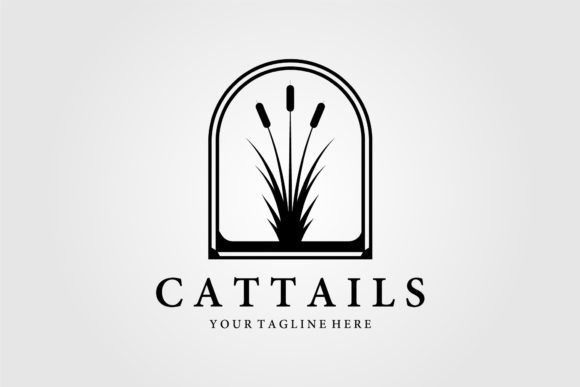
Cattails or Reed Logo Vintage Vector Review
As a designer who has spent years testing digital assets for real-world embroidery, I often find that the most promising files are the ones that don't promise perfection but offer genuine versatility. Today, I am evaluating the Cattails or Reed Logo Vintage Vector, a graphic asset designed to bridge the gap between digital illustration and physical stitching. This review focuses on how this design performs when it leaves the screen and hits the hoop of an embroidery machine.
The first impression of Cattails or Reed Logo Vintage Vector is one of quiet nostalgia. The vintage aesthetic immediately suggests a connection to nature, perhaps evoking memories of summer evenings by a marsh or a rustic cabin retreat. Unlike modern, hyper-detailed vector art that can sometimes look cluttered when stitched, this design relies on clean lines and organic shapes. It feels like a piece of history brought into the present day, making it an excellent candidate for brands or individuals looking to project a sense of timelessness and authenticity.
From Screen to Stitch: A Real-World Scenario
To truly understand the value of this design, imagine you are preparing inventory for a local craft fair or updating your Etsy shop for the upcoming autumn season. You need a custom embroidered tote bag that speaks to the outdoorsy demographic without being overly loud. You decide to use Cattails or Reed Logo Vintage Vector as the centerpiece.
In this scenario, the design shines. The natural flow of the reeds allows for a vertical placement on a canvas tote, creating a balanced composition that doesn't overwhelm the fabric. When translated into an embroidery file, the organic curves of the cattails translate beautifully into satin stitch, giving the finished product a smooth, glossy texture that mimics the sheen of wet reeds in the sun. The vintage style adds a layer of perceived value; customers are more likely to trust a handmade item that features a cohesive, classic design rather than a generic clipart image.
This same design could easily transition from a tote bag to a sweatshirt pocket or a baby onesie. The simplicity of the subject matter ensures it remains legible even at smaller scales, which is crucial for items like baby clothes where the embroidery area is limited. For a small business owner, this versatility means you can create a cohesive collection of products—aprons, pillow covers, and kitchen towels—all featuring the same recognizable motif, strengthening your brand identity across different categories.
Technical Performance and Design Nuances
When evaluating Cattails or Reed Logo Vintage Vector for commercial use, we must consider how the specific elements behave under the needle. The description notes that the text is non-editable, which is a common trait in vector logos intended for branding consistency. While this limits your ability to alter the typography, it ensures that the logo retains its intended integrity when used in client projects.
The vector-based nature of the design is its greatest strength. Because you can change vector-based designs as you wish regarding scale and color, you have the freedom to adapt the artwork for various thread colors. Whether you are using earthy greens and browns for a fall theme or stark white on denim for a nautical look, the geometry holds up well. However, the density of the fill stitches will determine the final feel. If the original vector contains too much detail in the center of the reeds, it may require digitization adjustments to prevent puckering on lighter fabrics.
For those interested in applique techniques, this design offers a unique opportunity. The distinct outlines of the cattails could be cut from felt or linen and then outlined with a tight running stitch or blanket stitch, adding a tactile dimension that pure embroidery cannot achieve. This would be particularly effective on heavy-duty fabrics like denim jackets or canvas bags, where the weight of the applique balances the thickness of the material.
Where to Use It (And Where to Be Cautious)
While Cattails or Reed Logo Vintage Vector is highly adaptable, there are specific scenarios where caution is required. Small hoop sizes present a challenge for any design with intricate details. If you attempt to stitch this on a tiny patch or a very small cap brim, the fine lines of the vintage vector might get lost or merge together, resulting in a muddy appearance. Always test the design in your software to ensure the minimum stitch count supports the level of detail you desire.
Fabric texture also plays a critical role. Stretchy knits, such as those found in t-shirts or athletic wear, require careful stabilizer selection. The tension created by the dense satin stitches needed for the reeds could cause the fabric to pucker if not properly supported. In these cases, a cut-away stabilizer is often necessary to maintain the shape of the garment after washing. Conversely, on stable fabrics like cotton twill or linen, the design will likely lay flat and crisp without excessive stabilization.
Dark fabrics present another consideration. While the design itself does not specify color limitations, the contrast between the thread and the background is vital for visibility. On dark materials, a light-colored outline or a high-density fill stitch will be essential to make the vintage details pop. If the design is intended for a dark hoodie, ensure that the digitized version includes sufficient underlay to cover the base fabric, preventing the shirt color from showing through the stitches.
Practical Notes for the Embroidery Designer
Before committing to a full production run, always test the design on scrap fabric. This step is non-negotiable for professional results. Check the thread color contrast against your intended background to ensure the mood of the design translates correctly. Review the stitch density in your digitizing software; if the design feels too heavy, consider simplifying the fill areas to reduce bulk and improve the hand-feel of the finished product.
Confirm the hoop size requirements before starting your project. If the design exceeds the capabilities of your machine's standard hoops, you may need to split the design or use a larger frame. Inspect small details closely, especially the tips of the reeds, as these are prone to breaking or fraying during the stitching process. Using a proper stabilizer is key to maintaining the sharpness of the edges.
Finally, verify the licensing terms provided with the download. The product description mentions EPS 10, SVG, PDF, and JPG formats, which are standard for versatile usage. However, you must confirm whether the license permits commercial use for finished goods sold in shops or online marketplaces. Many designers assume all vector graphics are free for resale, but this is rarely the case. Ensure you have the rights to sell the embroidered items before listing them on platforms like Etsy or at craft fairs.
Final Thoughts on Visual Appeal and Value
The Cattails or Reed Logo Vintage Vector brings a sense of calm and professionalism to any embroidery project. Its vintage personality helps elevate simple garments into curated fashion pieces, increasing the perceived value for the end user. For the creative entrepreneur, this design asset serves as a reliable foundation for building a brand around nature, sustainability, or rustic living.
By understanding the strengths and limitations of the design, you can avoid common pitfalls and produce high-quality finished products that customers love. Whether you are creating personalized gifts for friends or developing a line of boutique merchandise, this vector file offers the flexibility and aesthetic appeal needed to succeed in a competitive market. With the right preparation and attention to detail, Cattails or Reed Logo Vintage Vector can become a staple in your embroidery toolkit.