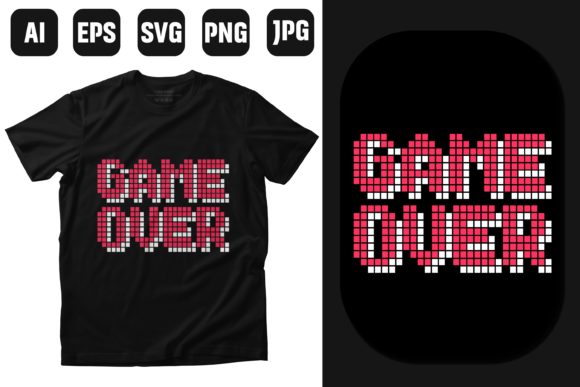
Game over Best T-shirt Design: A Designer's Real-World Review
As someone who has spent years reviewing machine embroidery design files and stitching them into finished products, I have learned to look past the digital preview. When I first downloaded the Game over Best T-shirt Design, my immediate reaction wasn't about the file size or the stitch count, but rather the mood it evoked. It carries a distinct retro gaming energy that feels nostalgic yet modern. In a market saturated with generic patterns, this piece stands out because of its confident layout and clear visual personality. However, before you commit to using this as a core asset for your Etsy seller shop or your next craft fair booth, it is crucial to understand how it translates from a screen to fabric.
First Impressions and Visual Personality
The Game over Best T-shirt Design immediately suggests a playful, high-energy vibe. The typography and graphic elements are bold, which is excellent for grabbing attention in a crowded marketplace like Etsy or a physical boutique. For a designer evaluating this for commercial use, the layout is surprisingly versatile. It doesn't feel cramped, even if you decide to scale it down for smaller items. The negative space around the text allows the eye to rest, ensuring the message lands clearly without visual clutter. This balance is often missing in free designs, making this Graphics file a surprising find in the Freebies category.
The design creates a specific narrative. It isn't just a pattern; it tells a story of fun, competition, and perhaps a touch of humor about failing at a game only to try again. This emotional connection is what drives sales in handmade goods. Customers don't just buy a stitched logo; they buy the feeling of the brand. This design captures that spirit effectively, making it a strong candidate for apparel that celebrates hobbies, gaming culture, or casual lifestyle statements.
Real-Life Application: From Screen to Stitch
To truly evaluate the embroidery file, I put it through a simulated workflow based on common scenarios. Imagine preparing a custom embroidered tote bag for a local gaming convention. The bold lines of the Game over Best T-shirt Design would hold up beautifully against the canvas texture of a tote. The contrast between the thread and the fabric would be sharp, creating a professional finish that elevates the perceived value of the item. Similarly, when applied to a sweatshirt, the design adds a layer of personality that mass-produced shirts often lack.
I also considered its potential for baby items. Embroidered onesies are a staple for gift-giving, and this design could work well for a "future gamer" theme. However, the application changes depending on the garment. On a pillow cover or a kitchen towel, the design serves as a focal point, adding a whimsical touch to home decor. For an apron worn by a parent who loves cooking and gaming, it bridges two worlds perfectly. The versatility here is key; it fits seamlessly into custom apparel, embroidered patch creation, and even holiday gifts where a personal touch is required.
When thinking about commercial embroidery projects, such as creating merchandise for a small business, this design offers a solid foundation. It is clean enough to be branded consistently across different products, from caps to blankets. If you are an apparel decorator looking to expand your inventory, having a design that resonates with a specific demographic like gamers can help build a loyal customer base. The design acts as a conversation starter, which is invaluable for craft business owners trying to engage buyers at a trade show.
Navigating Technical Challenges and Limitations
While the Game over Best T-shirt Design is visually appealing, no design is perfect for every surface. There are specific situations where caution is required. If you plan to use this on a curved surface like a baseball cap, the curvature might distort the text slightly, especially if the lettering is tight. You must ensure the hoop size matches the curve of the hat to avoid puckering. Additionally, textured fabrics like heavy wool or thick fleece can sometimes hide fine details. If the design relies on thin lines or tiny accents, these might get lost in the weave of the material.
Stretchy fabrics present another challenge. When stitching on knit materials like t-shirts or hoodies, the tension of the stitches can cause the fabric to pucker if not stabilized correctly. This is where choosing the right stabilizer becomes critical. Without proper support, the satist stitch areas might pull the fabric, ruining the crispness of the design. Furthermore, dark fabrics require careful consideration of thread colors. If the design includes light-colored elements, you may need a underlay or a contrasting background to ensure visibility. Testing on scrap fabric is non-negotiable here.
Dense stitch areas can also be problematic. If the design features large blocks of fill stitch, it can become stiff and uncomfortable, particularly on baby clothes or items meant for frequent washing. Over time, excessive density can lead to thread breakage or needle deflection. Therefore, while the design looks great digitally, the tactile experience of the final product depends heavily on execution. Small details, such as decorative accents or tiny lettering, should be inspected closely. If these elements are too intricate, they may not register well on a standard home machine, leading to a blurry or incomplete look.
Impact on Product Value and Brand Trust
The quality of your embroidery directly influences customer trust. A poorly executed design can make a handmade product look amateurish, regardless of how good the idea was. The Game over Best T-shirt Design has the potential to enhance brand consistency if used correctly. Its clear structure allows for a professional presentation in printable mockups and digital previews. When customers see a crisp, well-stitched image on your website, they are more likely to believe in the quality of the finished item.
Furthermore, the design contributes to the giftability of your products. A well-executed embroidery project feels special and thoughtful. Whether it is a personalized gift for a friend or a boutique product sold online, the clarity of the design ensures the recipient appreciates the effort. Recognition plays a role here too; a unique and well-applied design helps your brand stand out in a sea of generic offerings. It signals to the buyer that you care about the details, which fosters long-term engagement and repeat purchases.
Practical Designer Notes for Success
Before integrating the Game over Best T-shirt Design into your production line, there are several steps you must take to ensure success. First and foremost, always test the design on scrap fabric that mimics the final material. Check the thread color contrast under different lighting conditions to ensure legibility. Review the stitch density to see if any areas are too heavy or too sparse. Confirm the hoop size requirements and ensure your machine can handle the dimensions without distortion.
Inspect the small details carefully. If the design includes tiny text or intricate corners, verify that they will stitch cleanly. Test the design in black and white mockups to assess the balance of light and dark elements, independent of color choices. Compare how it looks on both light and dark fabric backgrounds, as this will dictate your thread palette. Use the proper stabilizer for the specific fabric type to prevent shifting and puckering.
It is also vital to check whether the design works for both personal and commercial projects. Since this falls under the Freebies category, licensing terms can vary. Confirm the license before selling finished items or distributing the digital embroidery file. Finally, consider the durability of the design for products that need frequent washing. Ensure the stitches are secure and the fabric choice complements the design's aesthetic.
In conclusion, the Game over Best T-shirt Design is a versatile and engaging asset for any creative entrepreneur or handmade shop owner. With careful planning and attention to technical details, it can elevate your products from simple crafts to professional-grade merchandise. By understanding its strengths and limitations, you can create stunning finished products that delight your customers and grow your brand.