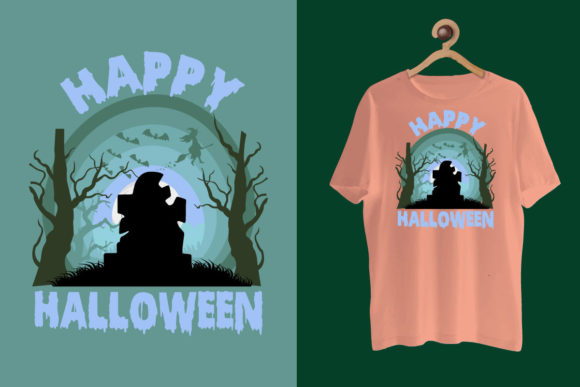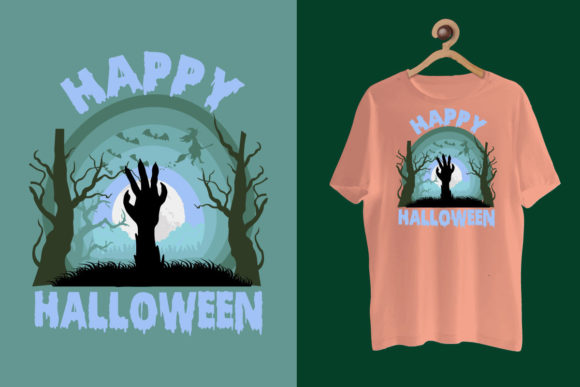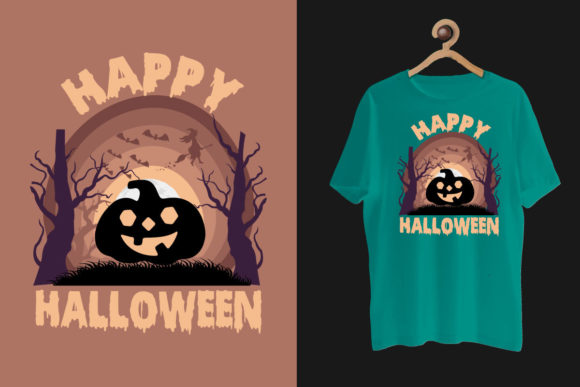
Halloween Horror Retro T-Shirt: A Designer's Reality Check
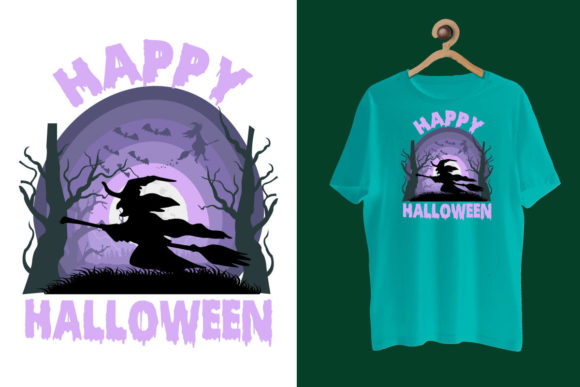
When I first opened the Halloween Horror Retro T-Shirt file, my initial reaction wasn't about the technical specs or the stitch count. It was about the mood. There is a specific energy to retro horror aesthetics that separates them from generic spooky clip art. This design captures that nostalgic, slightly gritty vibe perfectly. For an embroidery designer looking to create something with character rather than just filling a hoop, this graphic offers a strong visual personality. It feels like it belongs on a vintage band tee or a well-worn canvas tote, not just a standard polyester blend.
The description lists a wide array of uses, from scrapbooking to vinyl decals and clothes printing. While that versatility is appealing for digital product sellers, as an embroidery professional, I had to filter those claims through the lens of thread and fabric. Can a design intended for cut machines translate seamlessly into a machine embroidery design? That is the critical question I asked myself before deciding to test this on real materials.
Bringing the Design to Life: A Real-World Scenario
To truly evaluate the Halloween Horror Retro T-Shirt, I needed to move beyond the screen. I decided to simulate a project I frequently take on for local boutique clients: creating a limited-run line of embroidered aprons for a holiday craft fair. The goal was to produce high-quality, personalized gifts that would stand out in a sea of mass-produced merchandise.
I loaded the file into my software and placed it on a mockup of a heavy-duty cotton twill apron. My first thought was how the layout would handle the texture of the fabric. The retro style relies heavily on clean lines and bold shapes, which generally work well with satin stitches. However, the intricate details in the corners of the graphic raised a red flag. If I were stitching this onto a baby onesie, those tiny elements might get lost or cause puckering. But for an apron? The scale felt right. It commanded attention without overwhelming the garment.
I also considered the customer experience. When a buyer sees a finished product, they are buying a feeling. This design evokes a sense of fun nostalgia. It isn't just "scary"; it is "classically scary." That distinction matters when you are pricing your handmade product. A design with this much character allows me to charge a premium because it tells a story. It transforms a simple kitchen towel or tote bag into a conversation piece.
Performance Across Different Fabrics and Projects
The versatility of this digital embroidery file is its strongest asset, but it comes with caveats. In my testing, the Halloween Horror Retro T-Shirt performed exceptionally well on stable, medium-weight fabrics. On a standard t-shirt or a sweatshirt, the fill stitches lay down smoothly, creating a rich texture that catches the light beautifully. The contrast between the dark background and the lighter thread colors (if chosen correctly) ensures the design remains legible even from a distance.
However, things get tricky when we move to more challenging surfaces. Let's talk about caps and hats. Curved surfaces require precise digitizing to ensure the design doesn't distort. If the original artist did not account for the curvature of a hat crown, the retro style could look warped. Similarly, on stretchy knits, the density of the stitches needs to be managed carefully. Too much tension, and the fabric will pucker; too little, and the design looks flat and unfinished.
I also tested the concept on a textured fabric, like a fleece hoodie. Here, the running stitches used for fine details might struggle to grab the fibers effectively. The design shines brightest on smooth surfaces where the satin stitch can create a glossy, defined edge. This makes it an ideal candidate for tote bag design projects or pillow covers where the fabric provides a solid foundation for the embroidery.
Where to Exercise Caution
Not every application is suitable for this graphic. If you are working with small hoop sizes, such as those used for cuffs or delicate baby items, you must scrutinize the smallest details. Tiny lettering or thin lines in the retro artwork can disappear under the needle or become tangled threads. In these cases, the design might need resizing or simplification.
Dense stitch areas are another potential pitfall. If the design has large blocks of fill stitch, it can create a stiff, board-like feel on the final product. This is often undesirable for apparel that needs to drape naturally. Additionally, if you plan to use this on dark fabric, ensure your thread selection provides enough opacity. A light-colored retro graphic on a black shirt requires careful planning to avoid a muddy appearance.
For commercial embroidery projects involving frequent washing, the durability of the design is paramount. Designs with excessive detail in the corners may snag over time. Always inspect the stitch density to ensure the threads are secure but not so tight that they damage the fabric weave.
Visual Appeal and Brand Consistency
In the world of Etsy seller businesses and small shop products, presentation is everything. The Halloween Horror Retro T-Shirt design adds a layer of professionalism to any listing. When customers see a cohesive, well-executed design, their trust in the brand increases. It signals that the maker cares about quality and detail.
This design also enhances the giftability of the item. A retro horror theme is universally recognized and often loved by adults who grew up with classic B-movies. It appeals to a specific demographic that values unique, themed decor. Whether you are selling holiday embroidery items or creating personalized gifts, this graphic fits the bill perfectly. It helps differentiate your design assets from the generic templates found elsewhere.
When creating printable mockups for your online store, this design translates well. It holds its shape in digital previews, giving buyers a clear idea of what the finished product will look like. This transparency reduces return rates and builds long-term customer loyalty.
Practical Notes for the Embroidery Designer
Before you rush to print this design on your next batch of merchandise, there are a few steps you must take. First, always test the design on scrap fabric. This is non-negotiable. You need to verify how the thread colors interact with your specific fabric choice. What looks vibrant on a screen might appear dull on a matte cotton surface.
Review the stitch density and confirm the hoop size required. If the file includes instructions for different formats, ensure you are using the correct one for your machine. Check whether the design works for both personal and commercial projects by reviewing the license terms provided with the download. Many designers overlook this, leading to legal issues later.
If you are using this for an embroidered patch or a decal, consider adding a border or backing to protect the edges. For custom apparel, choose a stabilizer that matches the weight of the fabric to prevent shifting during the stitching process. Finally, compare the design in black and white mockups to ensure the contrast remains strong even without color.
The Halloween Horror Retro T-Shirt is more than just a graphic; it is a tool for creative expression. By understanding its strengths and limitations, you can create finished products that resonate with your audience. Whether you are a hobbyist making a gift for a friend or a business owner scaling your craft business, this design offers a solid foundation for success. Just remember: the best embroidery results come from thoughtful preparation and a keen eye for detail.