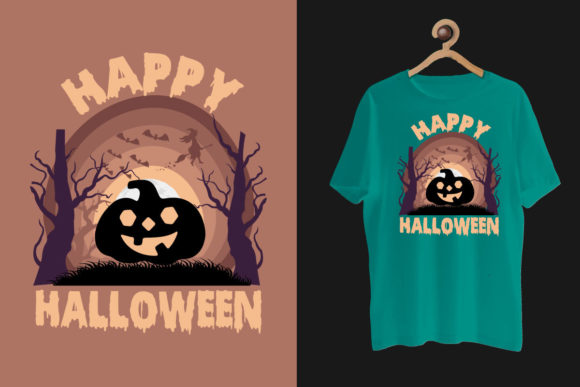
Halloween Retro Typography Tshirt Design Review
As someone who has spent years stitching custom apparel and evaluating digital assets for commercial use, I approach every new download with a mix of excitement and skepticism. The market is flooded with generic clip art, but Halloween Retro Typography Tshirt Design caught my eye because it promises a specific mood: nostalgic, playful, and distinctly vintage. Before I committed this file to my embroidery machine for a client project, I needed to know if it would hold up under the needle or if it was just another pretty picture that falls apart in real life.
The First Impression: Mood and Visual Personality
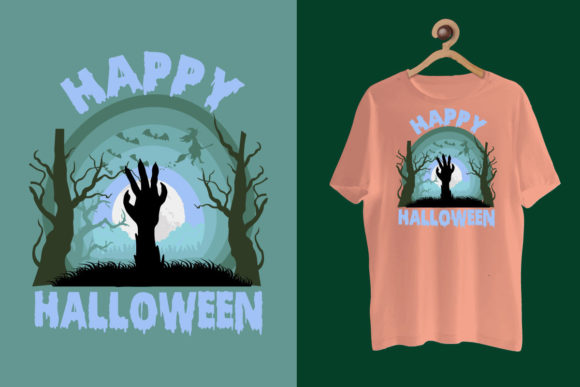
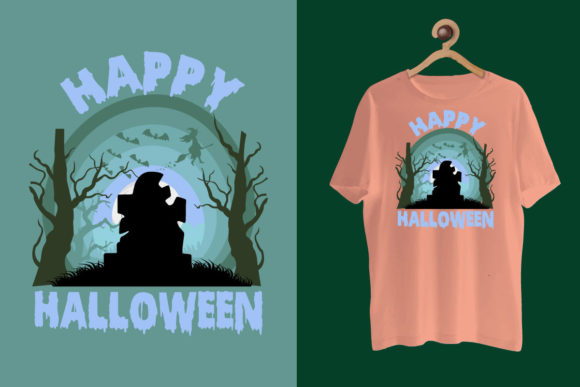
The moment you open the files, the design speaks a clear language. It isn't trying to be scary or modern; it leans heavily into that mid-century Americana vibe where Halloween feels more like a neighborhood block party than a horror movie. The typography is bold and rounded, evoking a sense of warmth rather than dread. For an embroidery designer, this is crucial. Machine embroidery relies on shapes and negative space, and this design understands how text translates from a vector screen to thread.
In terms of layout, the retro aesthetic suggests a centered chest placement on a sweatshirt or a large pocket print on a tote bag. The visual personality is friendly and approachable, which makes it highly versatile. It doesn't scream "costume"; instead, it whispers "seasonal style." This distinction matters immensely when you are designing products for a boutique or selling on Etsy, where buyers often look for wearable art that fits their everyday wardrobe rather than just costume pieces.
Real-World Application: From Screen to Stitch
To truly test the potential of Halloween Retro Typography Tshirt Design, I imagined placing it on various substrates. My first scenario involved a custom embroidered tote bag for a local craft fair. The goal was to create a reusable shopping bag that felt festive but didn't look cheap. Because the design features clean lines and distinct lettering, it would stitch beautifully on canvas or heavy cotton duck fabric. The retro font allows for generous spacing between letters, preventing the thread from bunching up even on textured materials.
I also considered using this for holiday embroidery on baby clothes. There is something charming about a soft onesie featuring a playful, retro Halloween motif. However, this requires careful consideration of stitch density. If the design is too dense, it could make the fabric stiff around a baby's neck. But if the file includes a good balance of satin stitches for the outlines and fill stitches for the body, it could become a bestseller for personalized gifts. The design works equally well on aprons for kitchen towels, adding a touch of seasonal whimsy to home decor.
For small business owners, the versatility extends beyond physical goods. These graphics serve as excellent design assets for printable mockups. You can place the design on digital images of hoodies or caps to showcase your services before the actual stitching begins. This helps clients visualize the final product, increasing buyer engagement and reducing returns due to mismatched expectations.
Where Caution is Required
While the design is strong, no single file is perfect for every situation. I found that Halloween Retro Typography Tshirt Design might struggle in small hoop sizes. If you attempt to embroider this on a narrow cap brim or a tiny patch, the lettering may lose its character or become illegible. The curves of the retro font need room to breathe; cramming them into a tight space often results in overlapping threads that look messy.
Textured fabrics present another challenge. While the design looks great on smooth cotton or polyester blends, applying it to a shaggy fleece or a heavily woven linen without proper stabilizer could lead to distortion. Similarly, stretchy fabrics require extra care. If you are working on a stretchy t-shirt, the tension of the stitches might cause the garment to pucker over time, especially if the design covers a large area. In these cases, using a cut-away stabilizer is non-negotiable to maintain the integrity of the finished product.
Dense stitch areas should also be monitored. If the design includes solid blocks of color, ensure the stitch density is appropriate for the fabric weight. On thin fabrics, high-density fills can create a board-like texture that ruins the drape of the garment. Always check the file settings before running a full production run.
Impact on Product Value and Brand Consistency
The quality of an embroidery design directly influences customer trust. A crisp, well-executed Halloween Retro Typography Tshirt Design signals professionalism. When a customer sees a garment with clear, defined stitching and no loose threads, they assume the entire brand is reliable. Conversely, a poorly executed design can make a handmade product look amateurish, regardless of the material quality.
This design supports brand consistency by offering a cohesive look across different products. Whether you are selling a sweatshirt, a pillow cover, or a kitchen towel, the retro theme ties the collection together. This recognition factor is vital for craft businesses looking to build a loyal following. Customers return to shops that offer a distinct style, and this design provides a strong visual anchor for a Halloween-themed collection.
Practical Notes for the Embroidery Designer
Before you load this file into your machine, there are several steps you must take to ensure success. First, always test the design on scrap fabric. This simple step reveals issues with thread tension, stabilizer choice, and fabric puckering that you cannot see on a computer screen.
Check your thread colors carefully. The retro vibe often relies on specific palettes—mustard yellows, burnt oranges, deep purples, and creams. Ensure your thread selection matches the intended mood; using bright neon threads might clash with the vintage aesthetic. Review the stitch density and confirm that the hoop size you plan to use accommodates the design dimensions comfortably. If the design includes tiny details, inspect them closely to ensure they will not get lost in the stitching process.
It is also wise to test the design in black and white mockups. This helps you see how the contrast holds up without the distraction of color. Compare how it looks on light versus dark backgrounds, as the visibility of the stitches will vary significantly. Use the proper stabilizer for your specific fabric type; a tear-away might work for stable wovens, but a cut-away is likely necessary for knits or stretchy materials.
Finally, confirm licensing terms. If you intend to sell finished items featuring Halloween Retro Typography Tshirt Design, verify that your license permits commercial use. Some digital files are for personal use only, while others allow you to sell a limited number of finished products. Understanding these terms protects your small shop from legal issues and ensures you are building a sustainable business.
Ultimately, Halloween Retro Typography Tshirt Design is a solid addition to any designer's library. It offers a unique blend of nostalgia and practicality that fits well within the current trends of handmade and boutique fashion. By paying attention to the technical details and choosing the right substrates, you can transform this digital graphic into a tangible, high-quality product that customers will love wearing and gifting.