Mandala Retro Background Style Review
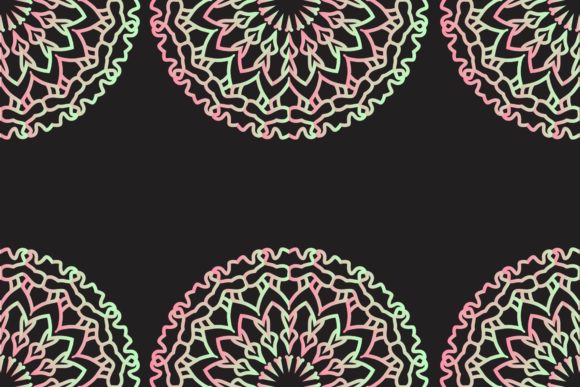
When I first opened the Mandala Retro Background Style files, my initial reaction was a mix of curiosity and caution. As someone who has spent years refining designs for real-world embroidery projects, I know that a beautiful vector graphic does not always translate perfectly into a stitched masterpiece. The prompt describes this as an Icons category item with a specific canvas size of 1920px by 1280px, but in the world of machine embroidery, the visual appeal is only half the battle. The true test happens when the needle starts moving and the thread begins to layer on fabric.
The mood of this design is undeniably nostalgic yet modern. It carries that warm, vintage vibe that has become so popular in recent years, perfect for the boutique aesthetic many Etsy sellers and craft business owners are chasing. However, before I committed to using it for a client order, I had to think through the practicalities of how a complex background pattern would behave under tension and stitch density. This isn't just about looking pretty on a screen; it is about creating a durable, high-quality finished product that customers will cherish.
From Screen to Stitch: The Real-World Test
I decided to put the Mandala Retro Background Style to the test with a project that requires both durability and style: a custom embroidered tote bag for a local artisan market. Tote bags are tricky because they are often made from canvas or cotton duck, which can shift easily if the stabilizer isn't chosen correctly. The mandala theme suggests a central focal point, but the "background" aspect implies it might cover a larger area.
In my experience, large fill areas can cause puckering if the stitch density is too high. Since this is a digital file provided in formats like AI, EPS, SVG, JPG, and PNG, I had to be careful about how I imported it into my embroidery software. The clean lines of the retro style look great in vector format, but when converted to stitches, those intricate curves need enough space to breathe. If I were to rush this and use a tight satin stitch on every curve, the result would be stiff and prone to breaking threads. Instead, I opted for a combination of satin stitches for the outlines and a lighter fill stitch for the inner sections to maintain the fabric's natural drape.
The color contrast is another critical factor. The retro palette usually works best with medium-to-dark backgrounds, such as navy, forest green, or charcoal. On a white or light beige tote, the details might get lost unless you use a very specific thread selection. I tested the design on a scrap piece of the actual canvas fabric first, and the results were promising. The symmetry of the mandala held up well, creating a professional look that elevated the simple canvas bag into a premium handmade product.
Where This Design Shines and Where to Be Careful
This Mandala Retro Background Style is incredibly versatile for small shop products and commercial embroidery projects. Imagine applying this to a sweatshirt embroidery design for a holiday gift collection. The circular nature of the mandala fits perfectly on the chest area or even centered on the back of a hoodie. It creates a sense of balance and calm that resonates well with buyers looking for personalized gifts. For nursery decor, such as pillow covers or baby clothes, the soft retro feel adds a touch of warmth without being overwhelming.
However, there are specific scenarios where you must exercise caution. If you are working with a small hoop size, this design might be too detailed. The fine lines of the retro pattern could merge together, losing their definition. Similarly, on stretchy fabrics like jersey knits, a dense background design can cause the garment to pucker significantly around the edges. In these cases, you might need to adjust the digitization or choose a different stabilizer, perhaps a cut-away rather than tear-away, to ensure the structure holds.
Curved surfaces, such as caps or hats, present another challenge. While the design looks flat and symmetrical on your computer screen, wrapping it around the dome of a cap can distort the geometry if not properly adjusted. The corners of the mandala might look stretched or compressed depending on the curvature of the hat. For embroidered patches, the design works beautifully, provided the border is strong enough to withstand the cutting process. But for items that require frequent washing, like kitchen towels or aprons, you must ensure the stitch density is robust enough to prevent fraying over time.
Visual Appeal and Customer Trust
There is a direct link between the quality of your embroidery design and the trust your customers place in your brand. A sloppy stitch job or a design that doesn't lay flat can make even the most expensive product look cheap. The Mandala Retro Background Style, when executed correctly, signals professionalism. It shows that you care about the details, from the alignment of the pattern to the choice of thread colors.
For digital product sellers, this design also serves as a fantastic asset for printable mockups. You can overlay the design on images of tote bags, mugs, or apparel to create eye-catching listings for your Etsy shop. The high resolution of the source files ensures that your digital previews look crisp, helping to attract buyers before they even see the physical item. When customers receive a finished product that matches the mockup perfectly, they are more likely to leave positive reviews and return for future purchases.
The versatility of the design allows for creative branding opportunities. Whether you are creating a logo for a craft fair booth or designing a series of matching items for a wedding party, the retro mandala theme ties everything together cohesively. It creates a recognizable visual identity that stands out in a crowded marketplace.
Practical Designer Notes for Success
If you are planning to use this design for a commercial embroidery project or a personal gift, here are a few essential steps to ensure success:
- Test on Scrap Fabric: Never start directly on your final product. Run a test on a scrap piece of the same material to check for puckering and thread tension.
- Review Stitch Density: Check the file settings to ensure the density is appropriate for the fabric type. Too much thread can damage delicate materials, while too little can leave gaps.
- Check Thread Colors: Ensure your thread colors provide enough contrast against the fabric. A dark mandala on a dark background might disappear without proper outlining.
- Confirm Hoop Size: Verify that your embroidery hoop is large enough to accommodate the full design without needing to re-hoop, which can misalign the pattern.
- Inspect Small Details: Zoom in on the smallest elements of the design. If they are too thin, they may break during stitching or wash out quickly.
- Use Proper Stabilizer: Select a stabilizer that matches the weight and stretch of your fabric to prevent shifting and distortion.
- Licensing Check: Always confirm the licensing terms before selling finished items or distributing the digital files commercially.
Ultimately, the Mandala Retro Background Style is a powerful tool in the hands of a skilled designer. It offers a blend of artistic flair and structural potential that can elevate any embroidery project. By taking the time to understand its limitations and strengths, you can transform a simple digital file into a stunning, tangible piece of art that delights customers and strengthens your brand. Whether you are crafting a unique baby item, decorating a holiday sweater, or building a line of boutique merchandise, this design provides a solid foundation for creativity.