Manta Fish Vintage Logo Vector Design Review
As a designer who has spent years turning digital vectors into tangible stitched masterpieces, I approach every new download with a mix of excitement and skepticism. The internet is flooded with "freebies" that look great on screen but fall apart under the needle. Recently, I came across the Manta Fish Vintage Logo Vector Design, a piece categorized under Freebies and Graphics, and decided to put it through the wringer. My goal was simple: determine if this design could genuinely elevate a real-world embroidery project or if it belonged in the digital trash bin.
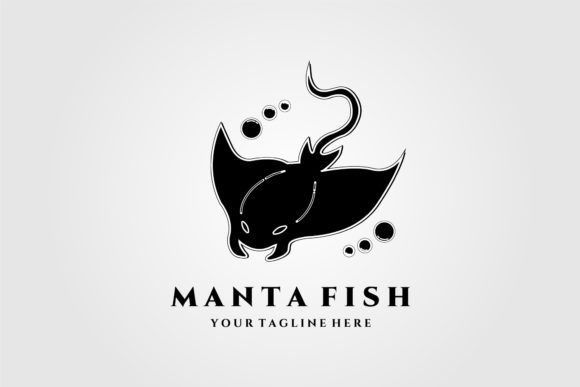
The first impression of the Manta Fish Vintage Logo Vector Design is one of relaxed nostalgia. It captures that specific vintage aesthetic that has become so popular in the handmade community—think faded ocean blues, retro typography, and clean lines that suggest a story without shouting for attention. Unlike many modern designs that rely on complex gradients or overly intricate details, this vector feels grounded. It has a visual personality that fits perfectly with the growing trend of sustainable, artisanal goods. When you hold a finished product featuring this motif, it doesn't just look like a logo; it looks like a brand heritage piece.
To understand its true potential, I imagined a specific scenario: launching a small boutique line of eco-friendly tote bags for a local farmers market. The target audience appreciates craftsmanship and unique, hand-stitched details. I envisioned the Manta Fish Vintage Logo Vector Design embroidered onto heavy-duty canvas. In this context, the design shines. The flowing shape of the manta ray allows for a natural flow of fill stitches, creating a sense of movement that static prints cannot achieve. A customer walking by would see the texture of the thread catching the light, instantly signaling quality and care. This is the kind of detail that turns a $20 bag into a keepsake worth keeping forever.
However, not all applications are created equal. While the design excels on flat surfaces like aprons, pillow covers, and kitchen towels, it requires careful consideration when applied to curved or textured materials. For instance, trying to stitch this on a structured baseball cap might result in distortion around the curve unless the digitizing accounts for the curvature. Similarly, on thin or stretchy fabrics like lightweight t-shirts, the density of the design could cause puckering if the wrong stabilizer isn't used. The vintage style relies on crisp edges, so any warping from poor tension control would ruin the intended aesthetic. Therefore, while it is versatile, it demands respect for the fabric's limitations.
From a technical standpoint, the file structure provided with the Manta Fish Vintage Logo Vector Design is a strong starting point. The inclusion of EPS 10, SVG, PDF, and JPG formats ensures compatibility with most modern embroidery software. As noted in the product details, opening the EPS file in Adobe Illustrator is recommended for the best results. This flexibility allows designers to resize the vector-based elements without losing quality, which is crucial when adapting the design for different hoop sizes. Whether you are scaling it down for a baby onesie or expanding it for a large sweatshirt back print, the vector foundation holds up well. However, the note regarding non-editable text is a critical constraint. If your client wants to change the tagline or add a name, you will need to remove the existing text layer and replace it manually before converting to an embroidery file.
When planning the actual stitching process, the choice of thread colors and stitch types becomes paramount. The vintage vibe suggests using muted, heathered threads rather than bright neons. A combination of satin stitch for the outlines and fill stitch for the body of the fish would bring out the depth. For smaller details, a running stitch could mimic the texture of scales or fins, adding a tactile element that customers love to touch. But here lies a common pitfall: stitch density. Without knowing the exact stitch count from the original creator, it is wise to test the design on scrap fabric first. High-density areas can trap heat and damage delicate fabrics, while low-density areas might look sparse and cheap on dark backgrounds. Always inspect small details and test in black and white mockups to ensure contrast remains high regardless of the thread color chosen.
For Etsy sellers and craft business owners, the Manta Fish Vintage Logo Vector Design offers significant value as a design asset. It helps establish brand consistency across a shop's inventory. Imagine a cohesive collection where the same vintage manta motif appears on custom apparel, embroidered patches, and holiday gifts. This repetition builds recognition and trust with buyers. When a customer sees a consistent visual language, they perceive the seller as professional and reliable. Furthermore, the design's versatility makes it ideal for personalized gifts. Adding a monogram alongside the fish creates a unique item for weddings, nurseries, or corporate events. The ability to customize the vector base means you aren't locked into a single look, allowing you to adapt the design for seasonal themes or specific client requests.
There are, however, scenarios where caution is advised. Products that require frequent washing, such as work aprons or children's clothing, need robust construction. If the design includes tiny lettering or extremely fine decorative accents, these details may wear down or blur after multiple cycles. In such cases, simplifying the design or increasing the size of the elements might be necessary. Additionally, on dark fabrics, the visibility of the vintage tones depends heavily on the thread opacity. A light gray thread on a navy blue shirt might disappear, whereas a cream or off-white thread would pop beautifully against the background. Comparing light and dark fabric backgrounds during the mockup phase is essential to avoid disappointing end results.
Before committing to a full production run, I strongly advise checking the licensing terms. While the product is listed as a Freebie, the rules for commercial use vary wildly. Some licenses allow you to sell finished items but prohibit reselling the digital file itself. Others may restrict the number of units you can produce. Confirming whether the design works for both personal and commercial projects is a vital step to protect your small shop from legal issues. Also, ensure you have the proper stabilizer ready. A cut-away stabilizer is often best for maintaining the shape of vintage logos on garments that will be worn frequently, preventing the stitching from pulling the fabric over time.
In conclusion, the Manta Fish Vintage Logo Vector Design is a solid addition to any embroidery designer's toolkit. It strikes a balance between artistic flair and practical application, making it suitable for a wide range of products from tote bags to nursery decor. Its vector nature provides the flexibility needed for customization, while its vintage aesthetic appeals to the current market demand for authentic, handcrafted goods. By paying attention to fabric selection, stitch density, and licensing agreements, creators can transform this digital asset into a profitable, high-quality finished product. Whether you are a hobbyist looking to make a special gift or a seasoned entrepreneur building a brand, this design offers a reliable foundation for your next creative endeavor.