Retro Vintage Partridge in a Pear Tree
When you open an embroidery file, the first thing you notice isn't the stitch count or the format; it is the mood. Retro Vintage Partridge in a Pear Tree immediately sets a nostalgic tone that feels warm, slightly whimsical, and perfectly suited for the holiday season. As someone who has reviewed hundreds of digital assets for both personal hobbies and client work, I look for designs that balance aesthetic charm with technical feasibility. This design delivers on the visual front, evoking a mid-century Christmas card vibe that stands out against the sea of generic modern graphics.
First Impressions and Visual Personality
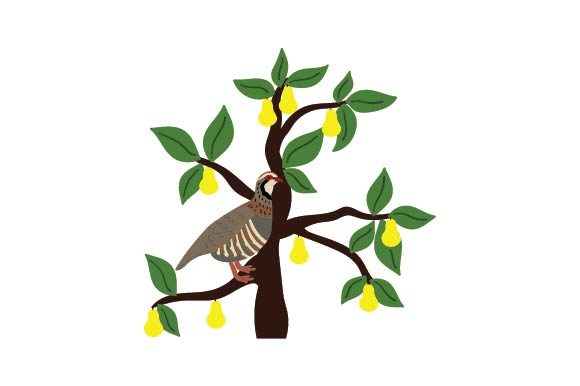
The layout of Retro Vintage Partridge in a Pear Tree suggests a classic composition where the bird sits comfortably within the branches. The vintage aesthetic implies a softer line weight and perhaps a slightly distressed texture if rendered in fill stitches, which adds character to the final piece. For a designer eye, this is promising because it avoids the sterile, overly sharp look of vector-only art. It feels like something that belongs on a worn-in apron or a soft cotton tote bag rather than a crisp, high-tech performance shirt.
The theme is undeniably seasonal, making it a staple for Christmas collections. However, its retro styling gives it a longevity that transcends a single year's trend. When I visualize this as a finished product, I see it working exceptionally well as a focal point on a sweatshirt chest area or as a centered motif on a kitchen towel. The "crafts" category here is broad, but the design specifically leans towards items that benefit from a cozy, handmade feel.
Real-World Application: The Boutique Tote Bag Scenario
To truly judge the utility of Retro Vintage Partridge in a Pear Tree, I need to imagine it in a real production environment. Let's say I am preparing inventory for a small boutique shop or an Etsy listing. My goal is to create a custom embroidered tote bag that customers will carry during their holiday shopping sprees.
In this scenario, the design needs to be legible at a distance but detailed enough to reward a close-up inspection. If I place Retro Vintage Partridge in a Pear Tree on a canvas tote, the contrast between the thread colors and the fabric background becomes critical. A vintage color palette—perhaps muted greens, deep reds, and cream whites—would pop beautifully against natural burlap or navy blue canvas. The design would serve as a perfect conversation starter, signaling that the owner appreciates traditional holiday motifs.
This same design could easily transition to a baby onesie for a holiday photo prop. The rounded shapes of the partridge and pear tree are generally forgiving on curved surfaces, provided the hoop size is managed correctly. It creates a sense of warmth and tradition that parents love for personalized gifts. Whether it ends up on a pillow cover for the living room or a patch for a denim jacket, the versatility is one of its strongest selling points.
Technical Performance and Stitch Considerations
Moving beyond the visuals, we must discuss the mechanics of the machine embroidery design. Every embroidery file has a specific density and stitch type that dictates how it behaves on different materials. While I do not have the exact stitch count without opening the file, a design with this level of detail usually requires a mix of satin stitches for outlines and fill stitches for the body of the bird and leaves.
If the stitch density is too high, the fabric might pucker, especially on lightweight materials like thin cotton or jersey. This is a crucial consideration for anyone planning to use Retro Vintage Partridge in a Pear Tree on stretchy fabrics or delicate garments. To avoid distortion, using a proper stabilizer is non-negotiable. For a tote bag, a cut-away stabilizer provides the necessary support to keep the design flat over time. For a baby item, a tear-away might suffice, but testing is always required.
The design also relies heavily on thread colors. A vintage look often depends on subtle shading. If you are using standard polyester threads, ensure you have enough variety to capture the depth of the image. Monochromatic schemes can sometimes flatten a complex design, so having access to variegated threads or distinct shades of green and brown will elevate the final product significantly.
Where to Exercise Caution
No design is perfect for every application, and Retro Vintage Partridge in a Pear Tree is no exception. There are specific scenarios where this design might struggle or require extra adjustments.
- Small Hoop Sizes: If you attempt to digitize or embroider this on a very small hoop, such as those used for hats or cuffs, the details may become muddy. Tiny elements of the branches or feathers might merge together, losing the vintage clarity.
- Textured Fabrics: Embroidering on heavy textures like bouclé or thick fleece can obscure the finer lines of the design. The needle might struggle to penetrate dense fibers cleanly, leading to skipped stitches.
- Dark Fabrics: Unless you plan to use a heavy underlay or specific light-colored threads, the design might get lost on black or dark navy backgrounds. Always test the contrast before committing to a full run.
- Frequent Washing: For items like kitchen towels or aprons that undergo constant laundering, check the durability of the stitches. Designs with long float stitches can snag more easily, so reinforcing the edges is wise.
Impact on Product Value and Brand Consistency
For craft business owners and Etsy sellers, the quality of the embroidery directly influences customer trust. A sloppy execution of a charming design like Retro Vintage Partridge in a Pear Tree can undermine the perceived value of the entire product. Conversely, a clean, precise finish elevates a simple item into a premium gift.
When the design is executed well, it enhances the handmade presentation. Customers are willing to pay more for items that show attention to detail. The retro theme also helps with brand consistency; if your shop focuses on vintage-inspired goods, this design fits seamlessly into your catalog. It signals to buyers that you understand the aesthetic they are looking for, which drives engagement and repeat purchases.
Furthermore, for those creating printable mockups or digital previews, the clean lines of the design allow for realistic visualization. Even if the final product uses a different colorway, the structure holds up well in digital representations, helping you sell the vision before the needle even touches the fabric.
Practical Designer Notes Before You Start
Before you rush to load this design onto your machine, there are a few essential steps to ensure success. First and foremost, always test the design on scrap fabric first. This allows you to gauge the tension, thread consumption, and overall look without risking your final product.
Review the stitch density and inspect small details. Are the tiny branches clear? Is the bird distinguishable? If you are unsure about the licensing terms, confirm whether you can sell finished items made with this design. Some files are for personal use only, while others allow commercial sales of physical products.
Don't forget to check the available formats. The package includes SVG, Transparent PNG, EPS, and DXF, which means you have flexibility for both direct embroidery and other crafting applications like vinyl cutting or print-on-demand mockups. Use these design assets wisely to maximize your workflow efficiency.
Finally, compare the design on both light and dark fabric backgrounds in your mind's eye. Does the vintage palette work for both? If not, consider adjusting your thread selection or adding a contrasting backing. By taking these practical steps, you ensure that Retro Vintage Partridge in a Pear Tree transforms from a digital file into a cherished personalized gift or a best-selling small shop product.