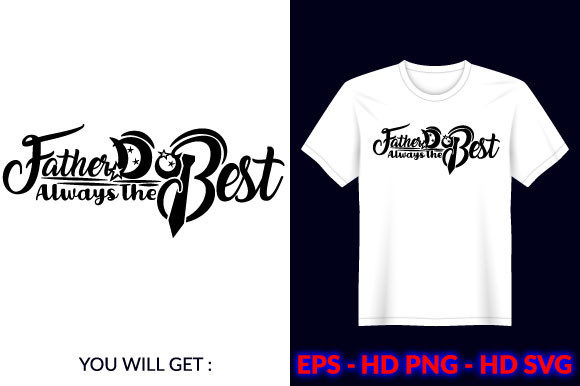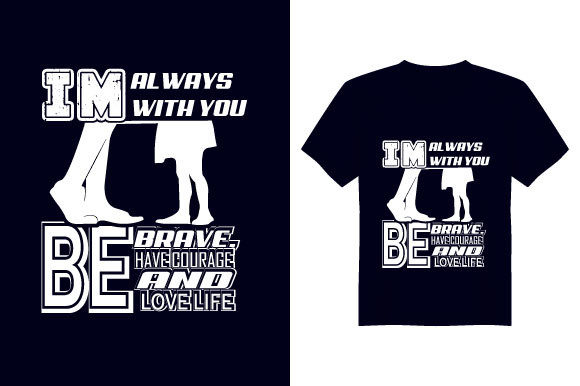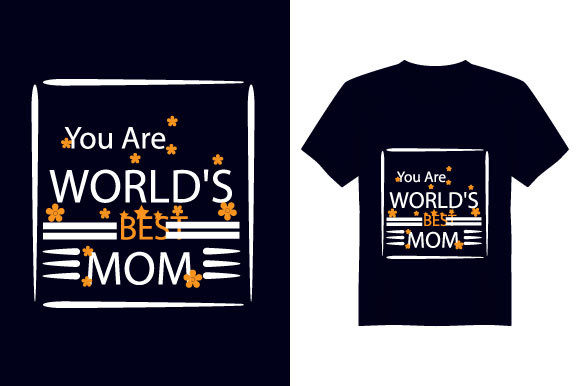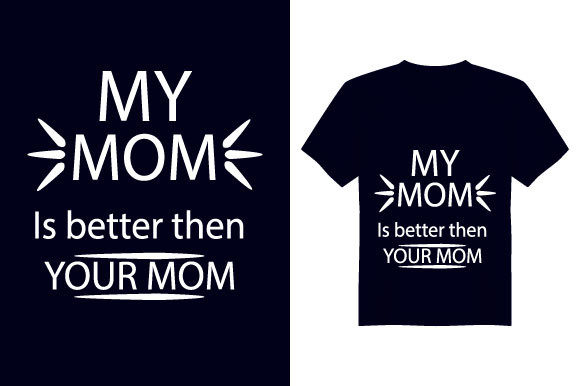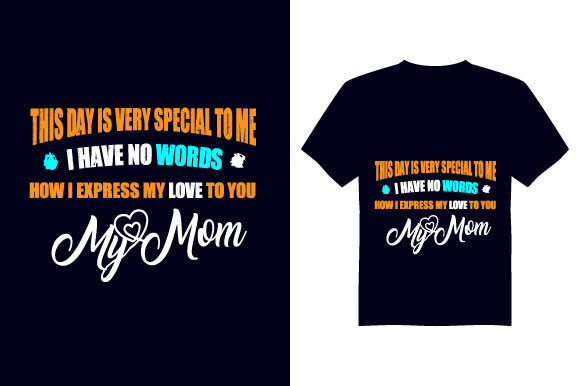
T-shirt Design About Labor Day Review
When I first opened the file for T-shirt Design About Labor Day, my initial reaction wasn't about the specific date or the holiday itself, but rather the immediate visual personality it projected. As a designer who spends hours evaluating digital assets before they ever hit the hoop, I look for more than just a pretty picture; I need to know if the design can survive the rigors of real-world stitching and customer expectations. This Print Templates entry falls squarely into the Graphics category, yet its potential transcends simple screen display. It carries a distinct mood suitable for celebrating the 1st of May, but does it translate effectively from a flat image to a textured, stitched reality?
First Impressions and Visual Personality
The layout of T-shirt Design About Labor Day feels grounded and celebratory. It doesn't try to be overly abstract or avant-garde; instead, it leans into a classic aesthetic that resonates with the spirit of labor and craftsmanship. For an embroidery project, this is crucial. The design appears to balance bold statements with enough negative space to allow the fabric texture to breathe. When you are working with machine embroidery design, the interplay between the stitches and the weave of the material is everything. A design that is too cluttered often looks muddy after stitching, while one that is too sparse can feel empty on a finished product.
I imagine this piece sitting comfortably on a variety of surfaces. Its visual weight suggests it would perform exceptionally well as a centerpiece on a custom apron for a chef or a baker celebrating their trade. The theme aligns perfectly with the concept of "making" and "working," making it a natural fit for handmade products that honor skill and effort. Whether you are creating a tote bag design for a local market or a sweatshirt embroidery piece for a community event, the core message of this design supports the narrative of pride in work.
Real-World Application: From Screen to Stitch
Let's walk through a practical scenario. Imagine you are an Etsy seller preparing inventory for a spring craft fair. You want to launch a line of items specifically for the holiday season, perhaps targeting teachers, artisans, or small business owners. You select T-shirt Design About Labor Day to create a series of personalized gifts. Your plan involves embroidering these designs onto high-quality canvas tote bags and kitchen towels.
In this context, the design acts as a conversation starter. When a customer sees the finished product, the clarity of the embroidery file determines whether they perceive the item as a mass-produced commodity or a thoughtful, handmade asset. If the stitch density is managed correctly, the design will pop against the fabric without distorting the material. I envision this design shining on a light-colored cotton towel, where the contrast allows the details to stand out sharply. However, if you were to move this to a dark fabric, the choice of thread colors becomes critical. You would need to ensure there is sufficient underlay and thread coverage to prevent the base fabric from showing through, which could ruin the crispness of the final look.
This design also holds promise for smaller, more intimate projects. Think about a baby onesie or a soft nursery blanket. The gentle nature of the theme makes it suitable for baby embroidery, provided the design elements aren't too rigid. For a personalized gift, adding a name or a date alongside this graphic could elevate it from a generic holiday item to a cherished keepsake. The versatility here is key; it works as a standalone statement or as part of a larger composition involving other decorative accents.
Where Caution is Required
While the design has strong appeal, no single asset fits every situation perfectly. There are specific scenarios where T-shirt Design About Labor Day requires careful consideration before you commit to production. One major factor is the hoop size. If your design includes intricate details or tiny lettering, attempting to stitch it in a very small hoop might result in lost definition. The threads may bunch up, or the fine lines might disappear entirely once the stabilizer is removed.
Textured fabrics present another challenge. If you are working with a heavy denim jacket or a rough burlap sack, the surface unevenness can interfere with the needle path. In such cases, the running stitch sections might skip, or the satin stitch areas could fail to lay flat. Similarly, stretchy fabrics like jersey or spandex require a different approach. Without proper stabilization, the tension of the stitches could cause the garment to pucker, ruining the drape and the appearance of the design.
Dense stitch areas should also be approached with care. If the design relies heavily on fill stitch to create solid blocks of color, it adds significant weight to the fabric. On thin materials, this weight can cause sagging over time. Furthermore, when considering commercial embroidery for products that undergo frequent washing, the durability of the design is paramount. Designs with excessive detail in corners or sharp angles can sometimes snag or wear down faster than simpler, bolder patterns.
Impact on Brand and Customer Trust
For those of us running a craft business or selling small shop products, the quality of our design assets directly impacts brand consistency. A poorly executed embroidery job can erode customer trust instantly. Conversely, a clean, professional-looking finished product signals attention to detail and respect for the buyer. T-shirt Design About Labor Day, when executed well, contributes to a polished presentation that justifies a higher price point.
The design's ability to convey professionalism is tied to how well it adapts to different mediums. If you use this as a printable mockup for your online listings, ensure the digital representation matches the physical reality. Customers rely on accurate previews to make purchasing decisions. If the digital image shows crisp lines but the actual embroidery looks fuzzy due to poor setup, the resulting disappointment can lead to returns and negative reviews. Therefore, the integrity of the design assets must be maintained from the moment of purchase to the final delivery.
Practical Designer Notes for Success
Before integrating T-shirt Design About Labor Day into your next project, I strongly advise following a few essential steps to ensure success. First, always test the design on scrap fabric that matches your intended project material. This allows you to see how the fabric texture interacts with the stitches and gives you a chance to adjust settings without risking a saleable item.
Check your thread color contrast carefully. A design that looks vibrant on a white background might get lost on a navy blue shirt. Review the stitch density in your software; if it seems too high, consider reducing it slightly to prevent bulkiness. Confirm the required hoop size beforehand to ensure your machine can accommodate the dimensions without cutting off any parts of the artwork.
Inspect small details closely. Sometimes, what looks clear on a monitor becomes illegible when stitched. Testing the design in black and white mockups can help you visualize the contrast levels without the distraction of color. Use a proper stabilizer appropriate for the fabric type; this is often the difference between a puckered mess and a smooth finish. Finally, verify the licensing terms explicitly. Ensure that the digital embroidery file allows for commercial use if you plan to sell the finished goods, and confirm that you have the right to distribute it to clients or family members as intended.
By treating T-shirt Design About Labor Day not just as a graphic but as a functional tool for creation, you can unlock its full potential. Whether you are crafting a unique embroidered patch for a hat, designing a boutique collection, or simply making a heartfelt holiday gift, paying attention to these technical details ensures that your hard work results in a product that stands out. The goal is to create something that honors the spirit of labor through the art of stitching, delivering value and beauty to everyone who receives it.