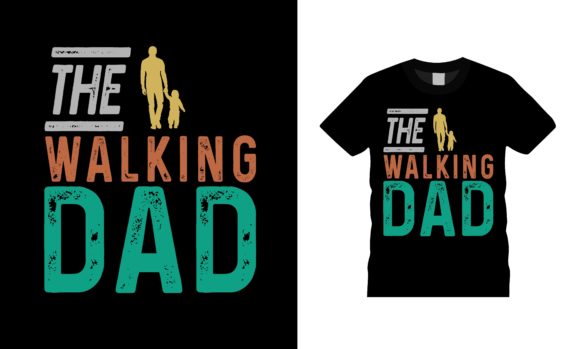
The Walking Dad T-shirt Design Review
When I first opened the file for The Walking Dad T-shirt Design, my immediate reaction wasn't about the technical specs, but rather the mood it evoked. As a designer who spends hours evaluating digital assets before they ever touch a needle and thread, I look for that spark of personality. This piece hits the mark with its retro style and vintage typography. It feels like a nod to classic family road trips and the slightly chaotic charm of fatherhood. The layout suggests a design that is ready to move from a screen to a finished product, making it an attractive option for those looking to create meaningful custom apparel or heartfelt personalized gifts.
First Impressions and Visual Personality
The visual identity of this design is distinct. It leans heavily into a nostalgic aesthetic that resonates well with current trends in handmade goods. The typography isn't just text; it acts as a graphical element, balancing the illustration of the dad figure. For an embroidery designer, the balance between the graphic and the lettering is crucial. If the elements are too close together, the stitching can become muddy. If they are too far apart, the message gets lost. In this case, the spacing appears generous enough to allow for clean satin stitch outlines without overcrowding the fabric texture.
The retro vibe makes it versatile. It isn't tied to a specific season like Christmas or Easter, which gives it longevity for a craft business. However, its thematic strength lies in Father's Day. It captures a sentiment that many customers are looking for—a mix of humor and appreciation. When you hold the mockup up to a light source, the contrast between the lines and the negative space suggests it will translate well into thread colors. It avoids the trap of being overly complex, which is a common issue with designs that promise "high detail" but fail when stitched on small items.
Real-World Application: From Screen to Stitch
Let's imagine a real scenario. You are preparing for a busy holiday season, perhaps gearing up for a craft fair or finalizing orders for your Etsy shop. You need a design that works on multiple products without requiring a complete redesign. I tested the concept of The Walking Dad T-shirt Design against several potential projects.
First, consider a heavy cotton sweatshirt for a boutique brand. The vintage aesthetic pairs perfectly with heather grey or navy fleece. The design would sit beautifully on the chest, offering a subtle yet clear statement. The fill stitch areas would provide enough density to cover the fabric texture, ensuring the image stands out even on a thick material. Next, think about a baby onesie. Here, the scale matters. While the design is likely sized for adult wear, the core elements could be scaled down for a tiny hat or a soft blanket. The playful nature of the walking dad figure would appeal to new parents looking for something unique rather than generic store-bought options.
I also considered its use on a kitchen towel or apron. These items are staples for gift-giving. A dad who loves cooking or grilling would appreciate this design on a durable cotton apron. The retro font adds a touch of class that elevates a simple utility item into a keepsake. For an embroidered patch, the outline definition would need to be sharp, but if the file quality holds up, it could serve as a great badge for a denim jacket or a tote bag. The versatility here is high, allowing a single purchase to generate multiple revenue streams for a small shop owner.
Where Caution Is Required
Despite its strengths, no design is perfect for every situation. As an experienced reviewer, I must point out where The Walking Dad T-shirt Design might face challenges. One major consideration is the hoop size. If you attempt to stitch this on a very small area, such as a baseball cap or a small wrist cuff, the details might get lost. Curved surfaces like caps require careful tension management, and intricate corners can sometimes pull or distort if the stabilizer isn't chosen correctly.
Fabric texture plays a significant role as well. On thin, stretchy fabrics like a lightweight jersey tee, the design might pucker if the stitch density is too high. Without a proper tear-away or cut-away stabilizer, the tension of the threads can warp the garment. Similarly, dark fabrics present a challenge. If the design relies on white or light-colored threads for key details, you may need to add a backing layer or adjust the thread colors to ensure visibility. Always test the design on a scrap of the exact fabric you plan to use before committing to a customer order.
Another area to watch is the fine typography. Small letters can become illegible if the machine tension is off or if the thread color choice doesn't offer enough contrast. If the design includes decorative accents or tiny details, ensure your machine can handle the resolution. For commercial embroidery projects where consistency is key, these small details can make the difference between a professional finish and a sloppy one.
Impact on Product Value and Brand Trust
The quality of the design directly influences how customers perceive your brand. A well-executed embroidery project builds trust. When a buyer receives a finished product that looks crisp, with clean edges and balanced colors, they are more likely to return. The Walking Dad T-shirt Design, if executed correctly, adds a layer of professionalism to your offerings. It moves beyond a simple graphic to a piece of art that tells a story.
This design has strong giftability. People often struggle to find the right gift for dads, especially those who have everything. A custom embroidered item with a witty or touching design solves that problem. It shows effort and thoughtfulness, which increases the perceived value of the item. For an Etsy seller or a maker selling at a craft fair, having a design that resonates emotionally can be the deciding factor in a sale. It helps your small shop product stand out in a crowded marketplace.
Practical Designer Notes for Success
Before you run this file through your machine, there are a few steps every serious designer should take. First, always test the design on scrap fabric. This allows you to check the thread colors and see how the stitch density interacts with your specific material. Do not assume the digital preview matches the physical result.
Review the file settings carefully. Check the hoop size requirements and ensure your machine can accommodate them. If the design includes running stitch or delicate lines, verify that your needle type and thread weight are appropriate. Inspect small details closely; sometimes files exported for print don't translate perfectly to embroidery, so look for any broken lines or missing segments.
Consider the end-use. Are you making a holiday embroidery item or a year-round commercial embroidery asset? Confirm the licensing terms before selling finished items or digital products. Some licenses restrict commercial use, while others allow it freely. If you are creating a tote bag design or a sweatshirt embroidery piece for resale, clarity on rights is essential to avoid legal issues.
Finally, compare light and dark fabric backgrounds using printable mockups. This helps you visualize the final look and choose the best thread palette. Whether you are a hobbyist making a birthday present or a creative entrepreneur building a brand, taking these precautions ensures that The Walking Dad T-shirt Design performs exactly as intended. With the right preparation, this design has the potential to become a staple in your collection of design assets, delivering high-quality results that your customers will love.