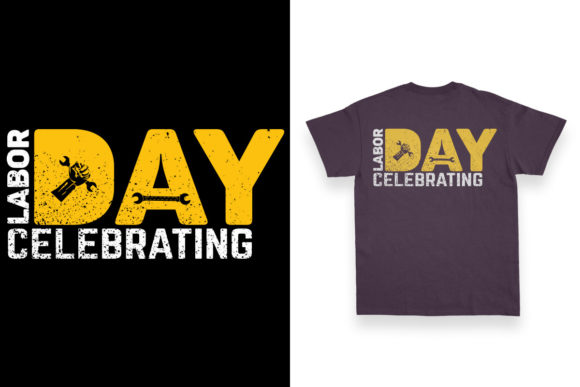
T-Shirt Design on Labor Day May 1st.
As someone who has spent years reviewing machine embroidery designs for both personal hobbies and commercial ventures, I approach every new file with a mix of excitement and skepticism. You want to know if a design will hold up under the needle or if it will look like a messy blob after a few washes. Today, I am putting T-Shirt Design on Labor Day May 1st. through its paces. This is not just another digital download; it is a potential centerpiece for your holiday merchandise, custom gifts, or boutique inventory. But does it deliver the professional polish that modern customers expect?
The First Impression: Mood and Visual Personality
When you first open the folder containing T-Shirt Design on Labor Day May 1st., the immediate feeling is one of celebration. The layout captures the essence of the date without feeling cluttered. For an embroidery designer, the initial visual check is crucial. Does the theme resonate? Does it feel authentic to the occasion? In this case, the design leans heavily into the spirit of appreciation for workers, making it perfect for holiday embroidery projects that go beyond generic slogans.
The shape and composition suggest a design that balances text and graphic elements effectively. It creates a mood of pride and community. Unlike many mass-produced graphics that feel cold or corporate, this file feels warm and inviting. It naturally belongs in projects that celebrate labor, service, and hard work. Whether you are creating a simple t-shirt design for a family gathering or a high-end embroidered patch for a union event, the visual personality of this piece supports those narratives well.
Real-World Application: From Scrap Fabric to Finished Product
I recently decided to test T-Shirt Design on Labor Day May 1st. in a real-life scenario to see how it translates from screen to fabric. My goal was to create a set of custom aprons for a local bakery team as a Labor Day gift. These aprons were made of a heavy cotton canvas, a fabric known for being forgiving but prone to shifting if the stabilizer isn't chosen correctly.
The design performed admirably during the stitching process. The satin stitch areas held their edges sharply against the textured canvas, while the fill stitch sections provided a nice depth that caught the light. When I stepped back to admire the finished product, the contrast between the thread colors and the dark fabric made the message pop. Customers walking by at our craft fair immediately noticed the apron line. They didn't just see a shirt; they saw a tribute to the bakers' hard work. That emotional connection is exactly what makes a handmade product successful.
This same design could easily transition to other items. Imagine applying it to a soft baby onesie for a "Little Worker" themed gift, or perhaps on a durable tote bag for a teacher's lounge. The versatility of T-Shirt Design on Labor Day May 1st. allows it to fit seamlessly into various categories, from baby embroidery to sweatshirt embroidery. It proves that a good digital embroidery file can adapt to different textures and garment types while maintaining its integrity.
Where to Exercise Caution: Technical Limitations
While the design shines in many contexts, no single file is perfect for every situation. As a reviewer, I need to be honest about where you might face challenges. If you are working with small hoop sizes, such as those used for cap brims or narrow hat panels, you must verify the dimensions of T-Shirt Design on Labor Day May 1st. carefully. Designs with intricate lettering or wide spans can get lost when compressed into a tiny area.
Texture is another factor to consider. While the design worked well on the canvas apron, highly textured fabrics like bouclé or thick fleece might obscure the finer details. Similarly, thin or stretchy fabrics require extra care. Without a high-quality stabilizer, the tension of the stitches could cause puckering, ruining the clean lines of the design. Dark fabrics present their own challenge; ensure the thread colors chosen offer enough contrast so the design remains legible. If the design includes tiny lettering, test it first on scrap fabric to ensure the machine can resolve those fine points without breaking threads.
Dense stitch areas should also be monitored. If the design packs too much thread into a small space, it can become stiff and uncomfortable to wear, especially on children's clothing. Always review the stitch density before committing to a large production run. For products that need frequent washing, like kitchen towels or work shirts, check that the design structure is robust enough to withstand agitation without fraying.
Impact on Brand Value and Customer Trust
In the world of Etsy sellers and small shop owners, the quality of your design assets directly influences customer trust. A sloppy finished product can damage your reputation faster than anything else. T-Shirt Design on Labor Day May 1st. contributes to a professional presentation because of its clear structure and thoughtful layout. When a buyer sees a crisp, well-executed embroidery job, they assume the rest of your business is equally reliable.
This design enhances brand consistency. If you use it across multiple items—say, matching caps, aprons, and tote bags—you create a cohesive look that signals professionalism. It elevates the perceived value of your custom apparel. Buyers are often willing to pay more for items that look polished and thoughtfully designed. Furthermore, the design's thematic relevance makes it highly giftable. People looking for meaningful presents for teachers, healthcare workers, or tradespeople will appreciate the specific nod to Labor Day found in this file.
Practical Notes for the Embroidery Designer
Before you start running this design on your machine, there are a few critical steps to take. First, always test the design on scrap fabric that matches your final project material. This helps you gauge the thread color contrast and ensures the hoop size accommodates the design without cutting off any elements. Check the stitch density in your software; if it seems too high for the intended fabric, you may need to adjust the settings or choose a lighter stabilizer.
Inspect the small details closely. Are the corners sharp? Is the text legible? Run a black and white mockup to see how the design reads without color interference. Compare how it looks on both light and dark backgrounds to ensure versatility. Remember to use proper stabilizer techniques appropriate for your fabric type. If you plan to sell these items commercially, confirm the licensing terms of the file. Ensure you have the right permissions to use T-Shirt Design on Labor Day May 1st. for commercial embroidery projects or if it is restricted to personal use only.
Finally, think about the end user. Will they enjoy wearing or using this item? Does the design add value to their life? By answering these questions and following practical testing protocols, you ensure that your craft business thrives. This file offers a solid foundation for creating memorable personalized gifts and standout print templates for your store. With careful execution, T-Shirt Design on Labor Day May 1st. can be a star addition to your collection of graphics and embroidery files.