Watercolor Retro Cameras: A Designer's Real-World Embroidery Review
When I first opened the Watercolor Retro Cameras design file, my immediate reaction was a mix of nostalgia and practical curiosity. As someone who has spent years reviewing embroidery designs for both personal hobby projects and commercial client work, I know that a pretty image on a screen does not always translate to a beautiful stitched result. The watercolor aesthetic is trendy, but it can be tricky to execute in thread without looking muddy or losing its delicate charm. This review is based on how I would approach this specific design if I were preparing it for a real-world project today.
The Mood and Visual Personality
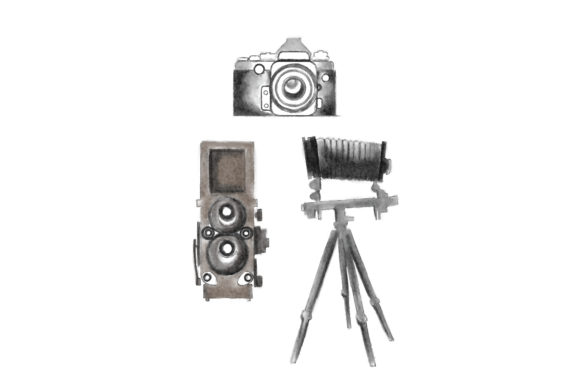
The Watercolor Retro Cameras design immediately evokes a vintage, artisanal vibe. It feels like something you might find in a boutique photography studio or a cozy coffee shop in the city. Unlike rigid vector graphics that scream "corporate," this design breathes with soft edges and fluid shapes. For an embroidery designer, this is a crucial distinction. The visual personality suggests warmth, creativity, and a touch of whimsy, making it perfect for brands that want to appear approachable and handmade rather than mass-produced.
From a layout perspective, the camera shape is recognizable yet stylized. It avoids the clutter of overly complex details that often frustrate stitchers. Instead, it relies on the interplay of color and texture to create depth. When I imagine this stitched onto fabric, I see it relying heavily on high-quality thread colors to mimic the watercolor wash effect. If the thread choice is off, the design loses its magic; if chosen well, it becomes a standout piece of art. This is not just a simple icon; it is a statement piece that demands attention to detail.
Real-Life Application: From Screen to Stitch
To truly understand the potential of Watercolor Retro Cameras, let's look at a specific scenario. Imagine I am preparing a custom order for a local photography enthusiast who runs a small Etsy shop selling film prints. They need a unique embroidered patch for their tote bags to give away as a loyalty reward. This is where the design shines.
The soft, artistic nature of the camera fits perfectly with the brand identity of a photographer. It signals quality and appreciation for the craft of taking pictures. In this context, the design would likely be placed on a canvas tote bag or a heavy-duty apron. The watercolor style allows the embroidery to blend seamlessly with the natural texture of the fabric, creating a sophisticated look that elevates the perceived value of the finished product. Customers browsing a booth at a craft fair would likely stop to admire the softness of the stitches compared to harsh, blocky logos found elsewhere.
I also envision this design being used on baby items, such as a onesie or a nursery pillow cover. The retro theme adds a timeless quality that appeals to parents looking for decor that won't feel dated in five years. However, using it on a sweatshirt requires a different approach. On a fleece or cotton jersey, the design needs to be balanced so it doesn't weigh down the fabric or cause pilling over time. The key here is understanding the relationship between the design density and the garment weight.
Navigating Technical Challenges
While the concept is strong, every experienced designer knows that execution is everything. There are specific areas where Watercolor Retro Cameras requires careful handling. One of the primary concerns is the hoop size. Because the design features soft, flowing lines, placing it in a hoop that is too large can lead to unnecessary fabric movement, resulting in misaligned stitches. Conversely, a hoop that is too small might force the machine to cut corners, ruining the organic shape of the camera.
Fabric selection is another critical factor. Textured fabrics like bouclé or heavy denim can obscure the delicate details of the watercolor effect. Thin fabrics, such as light cotton voile, may require additional stabilizer support to prevent puckering, especially around the dense areas of the lens and shutter. Stretchy fabrics present a unique challenge; the tension of the threads can distort the curve of the camera body if the stabilizer is not robust enough. I would advise against using this design on dark fabrics unless there is a high contrast in thread colors, as the subtle shading of the watercolor style might get lost in the background.
Furthermore, curved surfaces like caps or hats demand precision. The design must be digitized or adjusted to account for the curvature of the hat panel. If the angles are not right, the camera will look distorted when viewed from the front. Similarly, tiny lettering or intricate decorative accents within the design should be scrutinized. If the original file includes fine text, it might be too small to stitch clearly on smaller garments like baby clothes or patches.
Impact on Brand and Customer Trust
In the world of handmade products and small business merchandise, the quality of your embroidery speaks volumes about your brand. A poorly executed design can make even the best product look cheap. Watercolor Retro Cameras, when done correctly, enhances professional presentation. It shows that the maker cares about aesthetics and has put thought into the final output. This builds trust with customers who are paying a premium for a handmade product.
For Etsy sellers and digital product sellers, the versatility of this design is a major asset. It can serve as a central element for various design assets, including printable mockups and digital previews. The watercolor style is highly shareable on social media, which can drive engagement and visibility for a boutique brand. Whether it is used for holiday gifts, wedding favors, or personalized items, the design carries an emotional resonance that generic icons lack. It tells a story of creativity and passion, which resonates deeply with buyers looking for unique, meaningful gifts.
Practical Notes for the Embroidery Designer
Before committing to a full production run, I strongly recommend testing the Watercolor Retro Cameras design on scrap fabric first. This step is non-negotiable. You need to verify how the stitch density interacts with your specific thread colors and fabric type. Check the satin stitch areas for smoothness and ensure the fill stitch coverage is even without gaps or clumping.
Review the file formats provided—SVG, Transparent PNG, EPS, DXF—to ensure they match your workflow. While the listing mentions these formats, always confirm the specific machine embroidery design compatibility and any included instructions before purchasing. If you plan to use this for commercial embroidery, double-check the licensing terms to ensure you have the rights to sell finished items. Do not assume that owning the file grants unlimited commercial use.
Consider using a proper stabilizer suited for your fabric weight. For tote bag designs, a cut-away stabilizer often provides the best longevity. For sweatshirt embroidery, a tear-away might suffice depending on the thickness of the material. Always inspect small details under good lighting to catch any potential issues before the final product leaves your hands. Comparing the design in black and white mockups can also help you assess the balance and composition without the distraction of color.
Final Thoughts on Creative Potential
The Watercolor Retro Cameras design offers a fantastic opportunity for creative entrepreneurs to add a touch of elegance and nostalgia to their offerings. It bridges the gap between modern digital trends and traditional craftsmanship. Whether you are a seasoned pro or a beginner looking to expand your craft business, this design provides a solid foundation for creating memorable pieces. Just remember that the success of the final product lies in the preparation and care taken during the stitching process. By respecting the nuances of the design and choosing the right materials, you can turn a simple digital file into a cherished personalized gift or a flagship item for your shop.
Ultimately, this design is more than just a picture of a camera; it is a tool for expression. It invites the maker to experiment with color palettes, textures, and applications, proving that even in a digital age, the tactile beauty of embroidery remains unmatched.