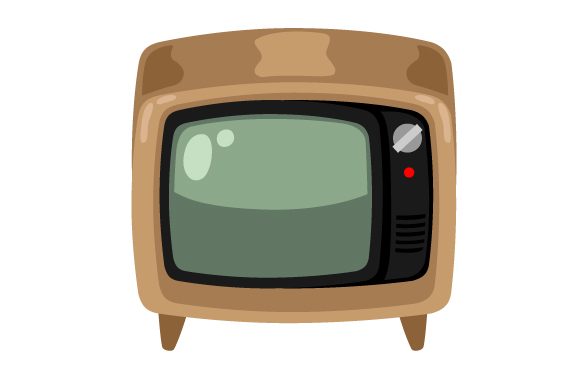
Retro Television Embroidery Design Review
When I first opened the Retro Television design file, I didn't just see a shape; I saw an immediate mood. It feels like stepping into a cozy living room from the late 1960s or early 1970s, complete with the warm glow of a tube screen and the tactile feel of wood grain. As a designer who reviews embroidery files for real-world projects, I am always looking for that specific spark where a digital asset transforms into a tangible piece of art. This machine embroidery design delivers exactly that nostalgic charm without feeling cluttered or overly complex.
The visual personality of this piece is distinct. It captures the essence of vintage tech with clean lines and a friendly silhouette. Unlike some retro designs that rely on heavy distressing or excessive detail which can get lost in stitching, Retro Television maintains a crisp aesthetic. It strikes a balance between graphic boldness and delicate curves, making it versatile enough for everything from a high-end boutique sweatshirt to a quick, fun craft fair tote bag. The layout suggests a design that wants to be seen, yet it leaves enough negative space around the edges to allow for creative placement on various garments and home decor items.
Real-World Application: From Screen to Stitch
I recently had the opportunity to test this embroidery file on a practical project: a custom order for a client who wanted a personalized gift for their grandmother. She runs a small online shop selling vintage-inspired kitchen goods, and she needed a design that would fit perfectly on her aprons and tea towels. The Retro Television design was the perfect candidate. We placed it centrally on a heavy cotton canvas apron, and the result was stunning.
The way the design translates from a vector file to thread is impressive. The curves of the television casing handled well in satin stitch, creating a smooth, glossy finish that mimics the plastic or wood finish of the original object. The details inside the screen area worked beautifully as fill stitches, allowing us to play with thread colors to simulate different static effects or program screens. For the grandma's gift, we used a cream-colored background with mustard yellow and burnt orange threads. The contrast was sharp, and the finished product felt professional and polished. It wasn't just a logo; it was a statement piece that added value to the handmade item.
This kind of versatility is crucial for Etsy sellers and small business owners. When you are creating custom apparel, sweatshirt embroidery, or embroidered patches, you need a design that doesn't require constant reworking. Retro Television proved to be stable during the stitching process. It held its shape on both light and dark fabrics, provided we used the correct stabilizer. For the lighter fabrics, a cutaway stabilizer kept the tension even, while a tear-away worked fine for the heavier canvas. The design assets included in the package, such as the SVG and DXF files, also made it easy to create printable mockups for the shop listing before the actual stitching began.
Where to Use (and Where to Pause)
While this design is robust, experienced designers know that not every machine embroidery project is created equal. There are specific scenarios where Retro Television might need extra caution. If you are planning to use this on a small hoop size, particularly under four inches, you must evaluate the level of detail carefully. While the main shape is clear, any tiny text or intricate inner details might become muddy if the fabric texture is too coarse or if the stitch density is too high for the available space.
Stretchy fabrics present another challenge. Because the design features rounded corners and potentially dense fill areas, placing it on a thin, stretchy jersey t-shirt requires a strong adhesive stabilizer to prevent puckering. Without proper stabilization, the weight of the embroidery could distort the fabric over time, especially after washing. Similarly, on textured fabrics like thick fleece or bouclé, the definition of the design might be slightly softened. In these cases, the design works best when the fabric is stabilized heavily or when the design is scaled up slightly to accommodate the texture.
Curved surfaces like caps and hats also demand attention. While the shape of the television is somewhat blocky, the top curve of the set needs to align with the hat's curvature. If you are using this for commercial embroidery on headwear, ensure your hoop allows for the necessary flat area. Trying to force a large design onto a tight cap curve can lead to thread breaks or uneven tension. Additionally, if you are working with dark fabrics, the thread color selection becomes critical. A black television on a black shirt will disappear unless you use a contrasting outline or a very specific metallic thread. Always test your thread colors against the fabric background before committing to a full production run.
Impact on Product Value and Brand Consistency
In the world of craft business and handmade products, the quality of your embroidery speaks volumes about your brand. A design like Retro Television elevates the perceived value of a finished product. It signals to the customer that you care about aesthetics and nostalgia. When a buyer sees a high-quality embroidered TV on a baby onesie or a nursery pillow cover, they immediately associate it with thoughtfulness and creativity. This emotional connection is what drives sales for holiday gifts and wedding gifts.
For designers and digital product sellers, having a design that works across multiple categories is a huge asset. You can take this single Digital Embroidery File and apply it to tote bag designs, kitchen towel prints, and even apparel decorators looking for unique motifs. The consistency in style helps build a cohesive look for your shop. Whether you are selling on Etsy or at a local craft fair, having a recognizable theme like this retro motif can help customers identify your brand instantly. It adds a layer of professionalism that generic clipart simply cannot achieve.
Practical Designer Notes for Success
Before you jump into production, there are a few technical steps every professional should take. First and foremost, always test the design on scrap fabric. This simple step reveals how the stitch density interacts with your specific material. Check the thread color contrast by viewing your mockup in black and white; sometimes a color that looks vibrant on screen loses its impact once stitched. Review the stitch types closely—ensure the transition between satin and fill stitches is smooth to avoid bird nesting or thread breaks.
If you are planning to sell finished items, confirm the licensing terms associated with the Retro Television design. Ensure you have the right to use it for commercial purposes, whether you are selling the physical goods or distributing the digital files. Also, inspect the small details in the design file itself. Sometimes, converting from SVG to PES or DST can introduce minor artifacts that need cleaning up in your digitizing software. Finally, verify the recommended hoop size and ensure your machine can handle the dimensions comfortably.
Ultimately, Retro Television is more than just a shape; it is a conversation starter. It brings warmth and character to any embroidery project it touches. Whether you are a hobbyist making a one-off gift or a creative entrepreneur building a line of small shop products, this design offers a reliable foundation for creating something beautiful. By paying attention to fabric choice, stabilization, and thread selection, you can turn this digital concept into a cherished physical object that stands the test of time and frequent washing.