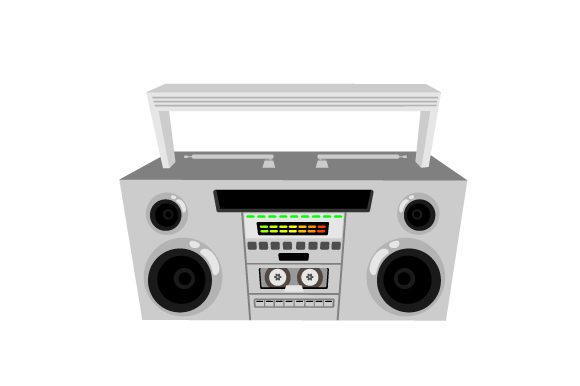
Retro Boombox Embroidery Design Review
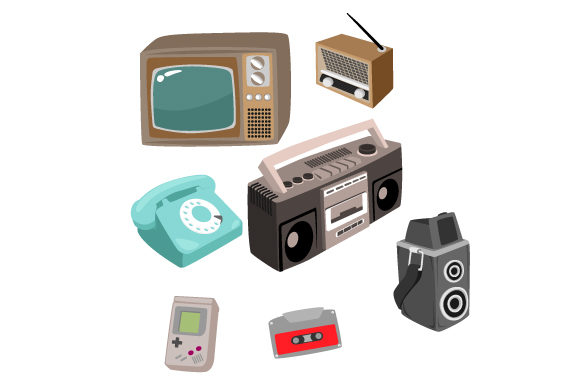
When I first opened the folder for the Retro Boombox design, I didn't just see a file; I heard music. There is an undeniable nostalgia in the silhouette of a classic boombox that instantly transports you back to the 80s and early 90s. As a designer who has spent years evaluating digital assets for real-world production, my first impression was one of genuine excitement mixed with a healthy dose of practical scrutiny. This isn't just a pretty picture; it is a statement piece that demands to be stitched into something tangible.
The visual personality of Retro Boombox is bold and graphic. It captures the essence of portable audio culture without getting bogged down in unnecessary complexity. The layout feels balanced, making it perfect for a variety of applications where you need a strong focal point. Whether you are an Etsy seller looking to refresh your shop or a small business owner creating branded merchandise, this design offers a distinct mood that resonates with anyone who loves vintage aesthetics. It fits naturally into the Crafts category but elevates itself when applied to high-quality finished products.
From Digital File to Finished Product: A Real-World Scenario
Let's talk about how this design performs when it leaves the screen and hits the hoop. Imagine you are preparing a custom order for a client who runs a boutique coffee shop. They want a line of aprons that screams "retro vibes" but remains professional enough for daily use. You pull up the Retro Boombox embroidery file to test it on a heavy-duty canvas apron.
The transition from the SVG or PNG preview to the actual stitch work is where the magic happens. In this scenario, the design acts as a conversation starter. When customers see the detailed speaker cones and the sleek handle stitched onto the fabric, they immediately understand the brand identity. It transforms a standard kitchen towel or apron into a collectible item. The design works exceptionally well for tote bag designs as well, turning a simple canvas bag into a stylish accessory for carrying groceries or books. The clean lines of the boombox translate beautifully into thread, provided you choose the right color palette.
I also envision this design on a sweatshirt for a holiday gift. The chunky, nostalgic feel of the boombox pairs perfectly with cozy fleece or cotton blends. When stitched onto a dark navy sweatshirt using bright yellow or electric blue threads, the contrast pops, creating a vibrant holiday embroidery piece that stands out in a sea of generic patterns. It adds a layer of personality that mass-produced items simply cannot match.
Where the Design Shines in Your Craft Business
If you are a maker focusing on custom apparel, Retro Boombox is a versatile asset. Its size and shape make it ideal for chest placements on t-shirts or larger center-chest placements on hoodies. For those selling baby embroidery items, the design can be scaled down for onesies or baby blankets, adding a playful touch to nursery decor. Parents love personalized gifts that have a story, and a retro boombox tells a clear, fun narrative.
The design also excels in the realm of embroidered patches. If you plan to create iron-on patches for jackets or backpacks, the solid shapes of the boombox hold up well under the heat and pressure required for patch backing. It creates a durable accessory that doesn't fray easily at the edges. Furthermore, for commercial embroidery projects, this file offers a high perceived value. Customers are willing to pay more for items that feature unique, thematic designs rather than generic text or simple logos.
For digital product sellers, having the digital embroidery file in multiple formats like SVG, EPS, and DXF allows you to offer mockups that look incredibly realistic. You can place the design on various garments in your printable mockup gallery, giving potential buyers a clear idea of the final result before they purchase. This transparency builds trust and reduces returns, which is crucial for any successful craft business.
Practical Considerations and Potential Pitfalls
However, every great design comes with conditions. While Retro Boombox is robust, there are specific scenarios where you need to exercise caution. If you are working with a small hoop size, you must ensure the design scales down without losing its character. Tiny details, such as the buttons or dials on the front of the boombox, might disappear if the stitches become too dense relative to the size of the element.
Fabric choice is another critical factor. On stretchy fabrics like thin jersey, the density of the fill stitches can cause puckering. You will need to use a stabilizer specifically designed for knits to keep the garment flat. Similarly, textured fabrics like corduroy or bouclé can hide the fine details of the design. The stitch density needs to be visible against the background texture to maintain clarity. If you are stitching on dark fabric, ensure your thread colors provide enough contrast. A black boombox on a black shirt will be invisible, so always test your thread colors before committing to a full run.
Curved surfaces, such as caps and hats, present their own challenges. While the design is generally adaptable, the curvature of a cap brim can distort straight lines. You may need to adjust the digitization or use a specific cap hoop to ensure the speakers don't look warped. Additionally, if the design includes tiny lettering or intricate decorative accents, these areas are prone to breaking down after frequent washing. Always advise customers on proper care instructions for items featuring this design.
Designer Notes for Professional Results
To get the best results with Retro Boombox, I recommend starting with a test run on scrap fabric. This step is non-negotiable for professional designers. It allows you to check the stabilizer type, verify the tension, and inspect how the satin stitch and fill stitch interact with your chosen material. Before you begin a large batch for an Etsy listing, stitch the design in black and white mockups to evaluate the balance and composition without the distraction of color.
Review the file structure carefully. Since the product description mentions formats like SVG, Transparent PNG, EPS, and DXF, confirm that your machine software can interpret the vector data correctly. Check whether the design works for both personal and commercial projects by reviewing the license terms provided by Designs Amp. If you intend to sell the finished physical items, ensure you have the necessary rights to do so.
Finally, think about the overall presentation. A well-executed embroidery project reflects directly on your brand consistency. When a customer receives a handmade product with crisp, clean stitching, it reinforces their perception of quality. The Retro Boombox design is more than just a graphic; it is a tool that helps you build a cohesive brand identity around nostalgia and creativity. By paying attention to fabric selection, stabilizer usage, and thread choices, you can turn a simple digital file into a premium handmade product that customers will cherish.