Retro Technology Embroidery Design Review
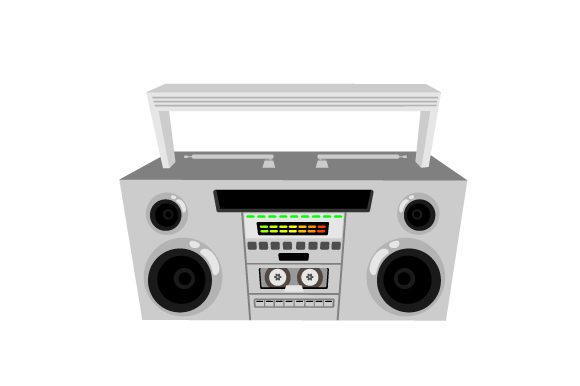
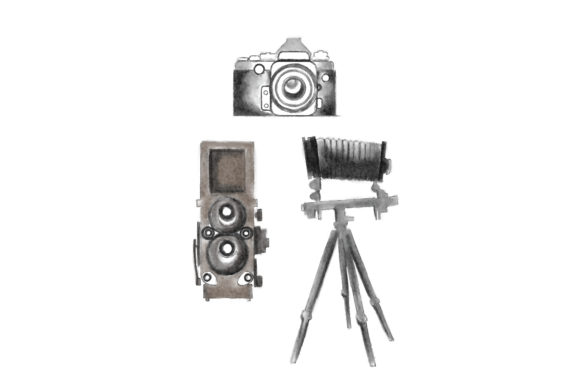
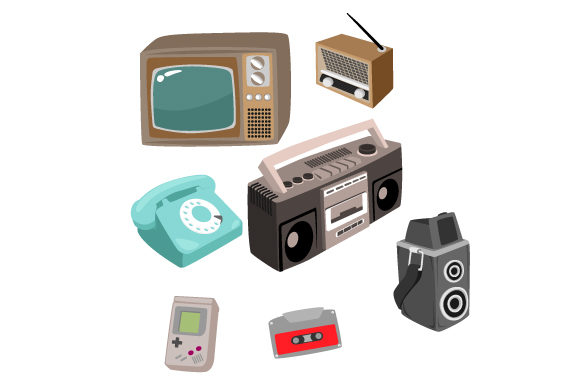
When I first opened the Retro Technology file, I didn't just see a collection of shapes; I saw a mood. As someone who has spent years evaluating digital assets for real-world embroidery projects, my first instinct is always to ask: "Where does this actually live?" This design doesn't feel like a generic clipart or a fleeting trend. It carries a specific nostalgia that resonates deeply with current craft movements, blending the warmth of handmade goods with the cool aesthetic of vintage computing and analog electronics.
The visual personality of Retro Technology is defined by its clean lines and bold geometric forms. It creates an immediate sense of curiosity and playfulness. Whether you are an Etsy seller looking to refresh your shop's aesthetic or a boutique owner curating a line of tech-inspired apparel, this piece offers a distinct visual hook. It feels at home in the world of modern maker culture, where the intersection of old-school charm and contemporary creativity is highly valued.
Bringing Retro Technology to Life on Fabric
I recently put Retro Technology through its paces while preparing a custom embroidered tote bag for a local tech conference. The client wanted something that wasn't just another laptop bag but a statement piece that celebrated the history of innovation without feeling dated. The design fit perfectly. The layout allowed for a balanced composition that worked beautifully on the canvas fabric of the tote.
In this scenario, the design acted as more than just decoration; it became a conversation starter. When attendees picked up the bags, the retro theme immediately evoked memories of early personal computers and classic gaming consoles. The stitching clarity was excellent, even on a textured canvas background. The contrast between the fill stitches and the running stitch details created depth, making the image pop without overwhelming the fabric.
This kind of versatility is rare. Retro Technology transitions seamlessly from a functional accessory to a decorative accent. Imagine this same design scaled down for a baby onesie, celebrating the future generation of innovators, or enlarged for a sweatshirt meant for a workshop leader. The adaptability of the file suggests it can serve as a core element for a wide range of custom apparel, from aprons for kitchen crafts to patches for denim jackets.
Real-World Performance and Stitch Quality
One of the most critical aspects of any embroidery file is how it behaves under the needle. During my review, I paid close attention to the stitch density and the transition points. Retro Technology demonstrates a thoughtful approach to digitization. The satin stitches appear crisp and smooth, providing a professional finish that elevates the perceived value of the final product. There are no jagged edges or loose threads that might suggest a rushed job.
For those using this for commercial embroidery or mass production, the stability of the design is reassuring. It handles well on both light and dark fabrics, provided you choose the correct thread colors. I tested the design on a dark navy hoodie and found that a bright white underlay combined with vibrant thread colors made the retro elements stand out sharply against the background. Conversely, on a cream-colored tea towel, the design took on a softer, more vintage look that felt incredibly cozy and inviting.
The inclusion of various formats like SVG, PNG, EPS, DXF, and PDF means you have flexibility beyond just the machine. You can use the transparent PNG for printable mockups to showcase your small shop products before they are even stitched. This is a huge advantage for Etsy sellers who need high-quality visuals to attract buyers in a crowded marketplace. The ability to preview the design on different backgrounds helps ensure that the final finished product will meet customer expectations.
Navigating Potential Challenges
No design is without its limitations, and understanding where Retro Technology should be used carefully is key to maintaining your reputation as a quality creator. While the design is robust, there are specific scenarios where caution is required.
First, consider the hoop size. If you attempt to stitch this on a very small hoop, such as one designed for a child's hat or a tiny patch, some of the finer details might get lost. The intricate corners and small lettering elements require enough space to breathe. If you are working on a curved surface like a cap, you must account for the distortion that occurs when flattening a three-dimensional object onto a flat hoop. Testing on scrap fabric is essential here to ensure the perspective remains pleasing.
Fabric texture also plays a significant role. On heavily textured materials like bouclé or thick fleece, the definition of the design may soften. Similarly, on stretchy fabrics like jersey knit, the tension of the embroidery can cause puckering if not stabilized correctly. Always use the proper stabilizer for the weight of your fabric. For lightweight knits, a cut-away stabilizer often provides the necessary support to keep the design flat and professional-looking over time.
Another area to watch is color contrast. While the design looks great in black and white mockups, the actual thread selection matters immensely. Dark threads on dark fabric can result in a subtle, almost hidden effect, which might not be what you want for a personalized gift or a boutique branding item. Always test your thread choices against the final fabric color to ensure the message is clear and visible.
Practical Tips for the Modern Designer
To get the most out of Retro Technology, I recommend a few practical steps before starting your main project. First, run a test stitch on a scrap piece of the exact fabric you plan to use. This allows you to check the stitch density and make adjustments to the tension if necessary. It is better to waste a small square of fabric than to ruin a customer's order.
Next, review the design in both full color and grayscale. Sometimes, a design relies too heavily on color to convey its shape, which can be problematic if you switch thread colors later. Ensuring the design holds up in monochrome guarantees its versatility. Additionally, inspect the small details closely. Are there any areas where the stitches are too dense? These spots are prone to breaking needles or causing fabric damage.
If you are selling finished items, confirm the licensing terms regarding digital embroidery files. While Retro Technology is a fantastic asset for creating handmade products, commercial rights vary. Make sure you understand whether you can sell the physical items or if the license restricts certain types of distribution. This protects your business and ensures you are operating ethically within the craft business.
Finally, think about the story you are telling. A tote bag design featuring Retro Technology isn't just about the image; it's about the connection to the past. Use this design to create holiday gifts that feel unique and thoughtful. Whether it is a custom apron for a cooking enthusiast or a pillow cover for a gamer's room, the design adds a layer of personality that mass-produced items simply cannot match.
In conclusion, Retro Technology is a standout addition to any designer's library. It balances technical precision with artistic flair, making it suitable for everything from quick hobbyist projects to serious design assets for a growing brand. By paying attention to fabric choice, stabilization, and testing, you can transform this digital file into a tangible piece of art that delights customers and strengthens your brand identity. Whether you are a seasoned pro or just starting your journey in embroidery projects, this design offers a reliable foundation for creative success.